Dairy

In the ever-changing world of dietary preferences and wellness, dairy products stand out due to their potential to support bone health and digestion, thanks to their high protein content, calcium and other essential nutrients. But how can dairy producers align with health-conscious consumers?

Their challenge is to develop convenient, clean-label dairy solutions, to enrich their offerings with vitamins, minerals, fiber and protein for healthier choices. Delve into the realm of exciting inclusions and flavours or new texture to captivate a whole new generation of dairy enthusiasts. Choose JRS Silvateam as your reliable partner for plant-based, label-friendly solutions and take advantage of our extensive global expertise. Together, we will help you achieve the creamy, indulgent taste that consumers desire while optimising your dairy creations. Join us in shaping the future of nutritious and delightful dairy products.

Yogurts

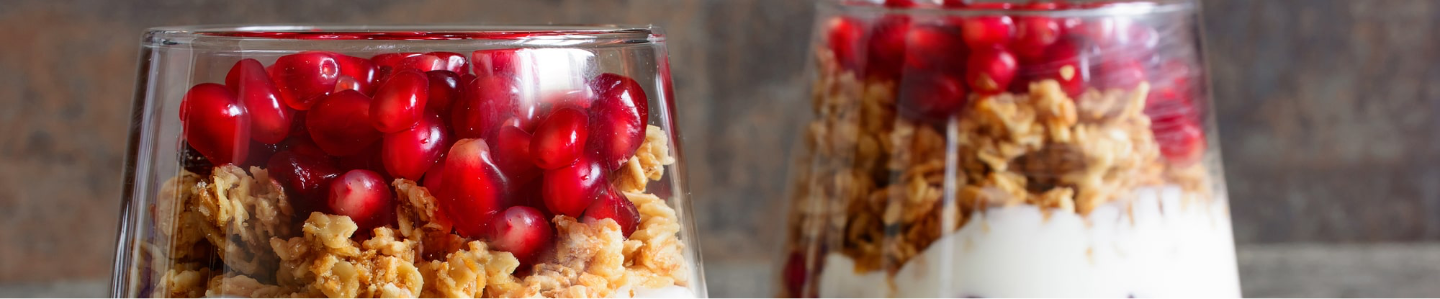
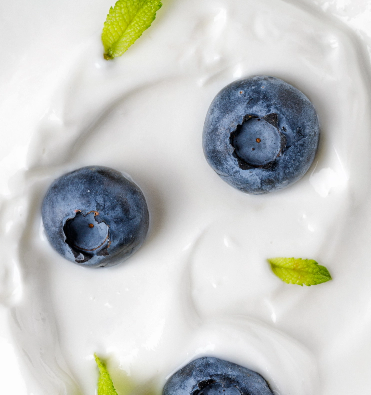
Yogurt reigns supreme among dairy products. Its mild acidity, easy digestibility, flavour adaptability, low sugar options, health and fortification benefits, high nutritional value and texture diversity are all factors driving its unmatched success.

Yogurts

Stirred yogurt is made in larger vats by mixing milk and starter cultures, with stirring after incubation. This stirring process often incorporates fruit or other additional flavourings to enhance its taste. The result is a smooth and creamy stirred yogurt, which serves both for snacking and cooking due to its delightful taste and culinary adaptability. Stabilisers play an important role in building this texture. The addition of pectin, typically at low dosage, contributes to its velvety consistency by increasing the yogurt’s viscosity without altering the taste. To further enhance creaminess and reduce the separation of whey, you can use starch or, in case you want a clean label solution, citrus fiber.

Milk drinks​

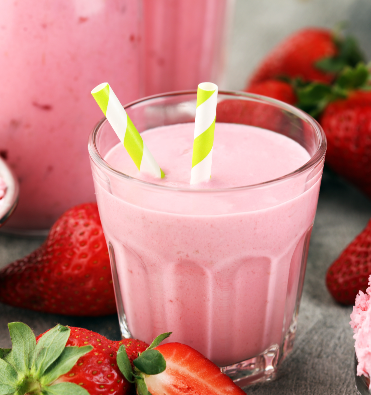
The market for milk based beverages has seen a surge in health-focused products with probiotics and functional ingredients. The rise of plant-based alternatives, flavour innovations and sustainability concerns are prominent trends.

Milk drinks​
Acidified milk drinks commonly refer to a large category of dairy products, typically characterised by milk containing fruit juice or milk directly acidified within a pH range approximately from 3.4 to 4.6. High methoxyl pectin (HM) is well-known for stabilising protein particles in such beverages at low pH (up to 4.2). This special pectin forms a protective layer around protein particles, which helps keeping them dispersed and evenly distributed while preventing the dehydration of the protein during heat treatment. It acts as a colloidal protector, ensuring a smooth texture without the formation of a “sandy” structure. Other texturising solutions based on carboxymethyl cellulose can be used at a pH higher than 4.2.

Desserts

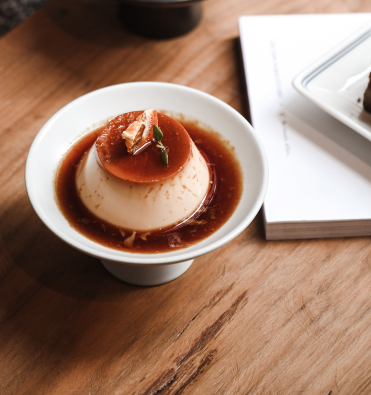
Consumers have long seen desserts as sources of delight, comfort and enjoyment. Nowadays, desserts are undergoing transformations to meet evolving consumer preferences, emphasising health, innovation, and unique flavours and textures.
Desserts
Dairy desserts, despite their variety, share common ingredients. Milk is the primary component, sweetened with sucrose or glucose syrup. Modified starch is often used for thickening and achieving a pudding-like texture. Gelling agents like gelatine and carrageenan control consistency and enhance firmness. To meet the demand for natural and label-friendly options, manufacturers are turning to pectin, known for its natural gelling properties. Low methoxyl pectin (LMA or LMC), when combined with calcium ions naturally present in milk, achieves varying textures from brittle to very soft and creamy.

Cheese

Fruit bars are thriving with the rise of clean eating and healthy snacking. Trends include plant-based and low-sugar options, as well as functional ingredients like probiotics. Consumers also seek unique flavors, texture variety and customisation, making fruit bars a dynamic and evolving market segment.
Cheese
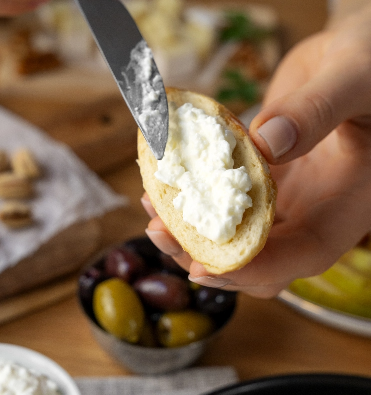
Traditionally crafted from a blend of cream and milk, cream cheese boasts a high fat content and are typically refrigerated. The result is a soft and spreadable cheese, commonly used to make bagels, crackers, and as a base for various dips and spreads. Tara gum, locust bean gum and carrageenan can be added to cream cheese formulations to achieve specific texture and stability goals. Their use can help manufacturers maintain the same standard texture in low-fat variants, prevent the separation of components and impart the desired mouthfeel.

Dairy alterna- tives

Dairy alternatives have gained popularity due to dietary restrictions, health concerns and environmental considerations. They offer options for people seeking dairy free alternatives while still enjoying the flavours and textures they love.
Dairy alterna- tives
Dairy alternatives, also known as non-dairy or plant-based options, are designed to mimic the textures and qualities of traditional dairy products, like milk, cheese and yogurt, while catering to dietary preferences and restrictions. The production of dairy alternatives has long been involving the use of stabilisers, including pectin, tara gum, guar gum, locust bean gum, xanthan gum and carrageenan. These additives serve to control viscosity, prevent syneresis and enhance the overall texture and stability of the final formulations.

Need help formulating your recipe?

Challenge our team! We are here to support you.